I've been reviewing the individual stories of Time Lord Fairytales (a series of whovianized versions of traditional fairytales) on my Goodreads account, but I thought I'd post the full review here as well.
Warning (kinda): Long post! Also, there's a lot of snarky bashing of traditional fairytales, because I take special pleasure slaughtering them, seeing as it's where children actually learn a lot of damaging stereotypes and constructs.
1. The Garden of Statues: 4/5

A Weeping Angels story read by Joanna Page aka Elisabeth I :)
+1 Engaging plot
+1 I loved the fact that the two main characters, Izmay and Tarmin, seem to remain friends in a platonic relationship all through their lives, rather than fall in love and get married once they became a 'handsome man and a beautiful woman', as it would happen in most fairytales - and in most of the media as well -, where apparently a man and woman can't just be friends, they always have to end up in a romantic relationship of some sort (thank you, heteronormativity!) The children actually seem to think that the old man and woman are married ('the old couple', 'her husband'), but I'm hoping they just assumed that because they lived together, seeing that in the end it's nowhere stated that Izmay and Tarmin are a couple ('it semeed the most natural thing for the two friends to stay in the house'). Male/female friendship is woefully under-represented, and I loved that this tale did something about that :)
-1 Taking risks just because of peer pressure and being dared. Not a sufficient reason or motivation to face danger.
- Feminist infographic;
-Number of women (named): 1- Izmay/Old woman
-Other women (unnamed): Female children
-Bechdel: No
-Female bonding: No
-Proactive female characters? Empowered traits in at least one female character?: Izmay is active and participates in the action alongside Tarmin. However, she's the one who's described as 'gasping' or 'crying out'. Both are scared, but it's the female character the one who's most vocal about it (traditional 'feminine' behaviour).
-Subversion: Male/female platonic friendship
-Problematic stereotypes or relationships?: No
2. Frozen Beauty: 2/5

This whovianized version of Sleeping Beauty has some interesting twists and progressive elements ('Sleeping Beauty' being a renowned starship commander, for example), but the cringeworthy element of the tale kind of remains. Even though the non-consensual kiss has a slightly more acceptable reason this time -intended to make her breathe instead of the creepy 'true love's kiss' these sleeping women in fairytales are never asking for -, the sleeping, passive position of the woman is still glamourized and objectified by the male gaze. The male captain (aka 'the prince'), forgetting his professionalism in his quest to rescue and revive his fellow captain, stops to think just how beautiful she looks in her 'frozen beauty' more than once. I find this glorification of the passive (and unconscious!) female as 'beautiful' and 'alluring' nothing short of problematic. Especially when opposed to the reaction of the female character, who thinks his active, conscious smile is as beautiful as 'her frozen beauty was to him'.
+1 'Sleeping Beauty' is actually a commander of a starship renowned for her bravery and abilities, so that's a huge progressive element as opposed to the original character.
-1 However, she remains unnamed, and her brother, who impacts on the tale less, is given a name. The male captain (aka 'the prince') also remains unnamed, but the detail about the brother being given a name while the female protagonist remained unnamed was jarring to me.
+1 'Sleeping Beauty' is actually a commander of a starship renowned for her bravery and abilities, so that's a huge progressive element as opposed to the original character.
-1 However, she remains unnamed, and her brother, who impacts on the tale less, is given a name. The male captain (aka 'the prince') also remains unnamed, but the detail about the brother being given a name while the female protagonist remained unnamed was jarring to me.
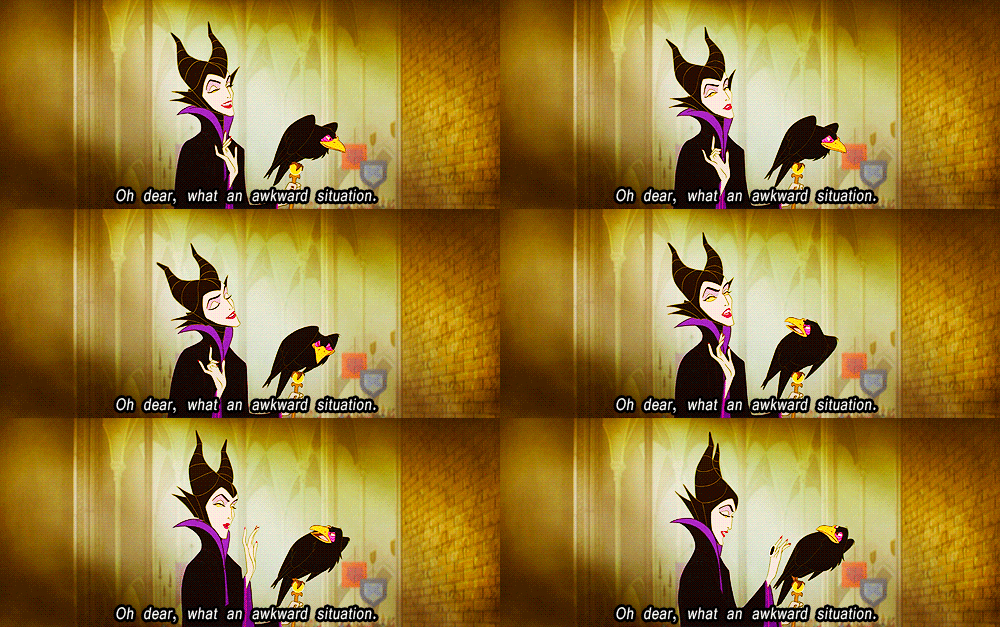 |
| Come on, you knew I had to include this gif xD! |
-1 She also remains in her passive, frozen position for 99% of the tale, and her passive state is glamourized as 'alluring' and 'beautiful' by the active male gaze of the male captain who comes to rescue her.
+1 The kiss has a slightly more logical and less 'non-consensual' reason (mouth to mouth resuscitation) as opposed to the 100% free-access 'true love's kiss'. The male gaze still remains, though.
-1 Cringeworthy last sentence where the male gaze is glorified and the female feels attracted to his active, conscious self instead: 'his smile was as beautiful to her as her sleeping, frozen beauty had been to him'.
+1 The kiss has a slightly more logical and less 'non-consensual' reason (mouth to mouth resuscitation) as opposed to the 100% free-access 'true love's kiss'. The male gaze still remains, though.
-1 Cringeworthy last sentence where the male gaze is glorified and the female feels attracted to his active, conscious self instead: 'his smile was as beautiful to her as her sleeping, frozen beauty had been to him'.
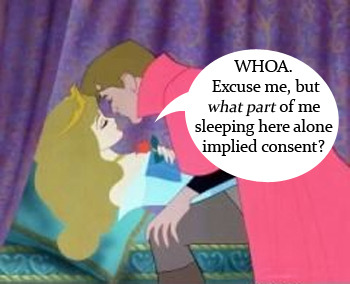 |
| Even though the 'kiss' is kind of more justified than the original textbook harassment, the male captain has like 0% professionalism when it comes to waking up his female fellow captain. He behaves like an entitled creep with a degree in male gaze and dubious intentions :/ |
+1 Female crew in both starships (it's to be assumed, only one female crewmember appears).
-1 The only female crewmember mentioned is the one described as less active with 'her voice taut with nerves'.
-1 No Bechdel or female bonding
- Feminist infographic;
-Number of women (named): 0
-Other women (unnamed): 2 - The female captain and a crewwoman
-Bechdel: No
-Female bonding: No
-Proactive female characters? Empowered traits in at least one female character?: There seem to be crewwomen in both starships, and the tale's 'Sleeping Beauty' is a renowned captain, but she remains passive for the entire tale.
-Subversion: Sleeping Beauty as a starship captain.
-Problematic stereotypes or relationships?: Male gaze. Glorification of dubious consent situations. Passive and unconscious women as 'alluring'.
3. Cinderella and the Magic Box: 2.5-3/5

As a long-ish disclaimer, I want to say that Cinderella is one of the Patriarchal traditional fairy tales I dislike the most: It equates 'beautiful' (regarding a woman, that is) with 'valid' and 'good' (Cinderella is beautiful and 'good', her stepsisters are 'selfish' and 'evil', so they're ugly); it equates 'good' with being practically a pushover who puts up with everyone's rubbish (she might have no other choice in that kind of society, but that doesn't mean she has to sell her position as a happy one just because she's 'good'); there's a nearly complete lack of female bonding (mother who dies, 'evil' stepmother and sisters as competition regarding other men), apart from the fairy godmather, who pretty much supports patriarchy and only helps her by giving her a makeover so that she can attract a man who will support her (where was she when she was miserable and toiling away in the house before the ball??); meanwhile, the father figure, who actually pretty much neglects her 'kind' daughter, is forever glorified; On the other hand, a man is the woman's recompense for being good (and beautiful!) -practically the only choice for a woman lacking her own means in those times, but definitely not the ideal 'happy ending' or even a 'choice', as it's exalted in such an anachronistic way today; the man is interested in her mainly because of her good looks, and the ball was there in the first place so that he could choose a (pretty) bride - and he's also so stupid he needs the freaking slipper to recognise her in the first place when she's not in her make-overed ball look. I could go on.


So why 2.5-3 stars? Well, apart from the fact that it's Ingrid Oliver aka Osgood reading :), I have to admit that the Whovian and less traditional twists of this tale were refreshing, compared to the stifling patriarchy of the original one (although nothing beats the feminist rendition of Ever After, in my opinion, and even that one is still traditional in many aspects), so, although the general idea of the tale remains the same, there are some interesting changes:
-The fairy godmother is the Eleventh Doctor, and that's pretty cool (wink, wink), and also pretty subversive :D.
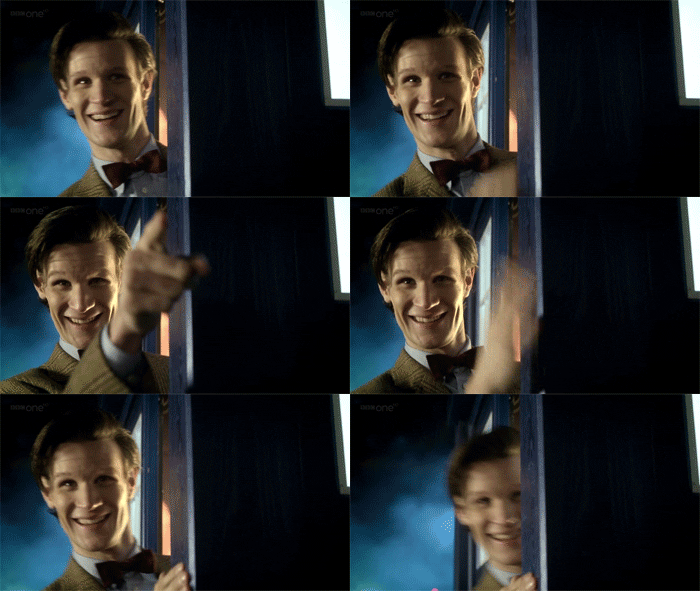
I enjoyed the descriptions about the TARDIS' bath (time-locked so that you can take as long as you want in your bath without any time actually passing outside) and wardrobe. And although Cinderella ends up wearing the Whovian variation of glass slippers ('Midnight crystal', a softer variation which adapts to the shape of your foot), I enjoyed Eleven confirming that 'glass shoes would just be silly', something that I've always thought xD (also, HIGH-heeled glass slippers? So obvious these tales were written by men who don't have to wear such shoes!!)
 |
| Empowerment means not being able to walk. Thank you for your simplistic hypothesis, choice feminism. |
-The ball is hosted by Lord and Lady Darke, and it's not meant to search for a bride for any prince, it's just a masquerade ball. The Doctor actually sends Cinderella on a mission against the actually vampire nobles (he's unable to do it himself because they'd instantly notice the artron energy in him). So the 12 a.m deadline does not involve Cinderella escaping from the prince, but actually beating the vampires with the sonic screwdriver, and saving the story's prince and everyone else in the process. A more proactive Cinderella, which I appreciate.
-The prince is not seeking a bride (he was a guest at the ball, lured by the Darkes), and, while Cinderella ends up getting engaged to him in the end, in the typical we-have-just-met-but-who-cares way of (heteronormative) traditional fairy tales, at least he doesn't do the stupid stunt with the slipper (he just gives it back a short while after she loses it, and doesn't chase her without her consent, as in the original tale), and thanks her for saving his life. Not enough reasons to actually immediately want to marry someone (I guess he thinks she's pretty and she still has no other way out in that kind of society), but ah well.
- Feminist infographic;
-Number of women (named): 2- Cinderella (kinda named) and Lady Darke (also kinda named)
-Other women (unnamed): 3 - Stepmother and stepsisters
-Bechdel: No
-Female bonding: No
-Proactive female characters? Empowered traits in at least one female character?: A more proactive Cinderella.
-Subversion: Eleventh Doctor as the Fairy Godmother, Cinderella sent on a mission.
-Problematic stereotypes or relationships?: Instant heteronormative relationship and marriage.
4. The Twins in the Wood: 2.5/5

Even though Anne Reid's reading is pleasant to listen to, I didn't find the plot of this tale very engaging, to be honest...
+1 A female character (the sister, Ella) ruling alongside her brother
+1 Gallifrey makes an appearance
+1 No romantic sublot anywhere, quite refreshing when it comes to most fairytales
-1 Exaltation of monarchy
-1 As usual, the children's mother does not appear in the tale
-1 No female bonding or Bechdel
-1 Plot was not very engaging imo
- Feminist infographic;
-Number of women (named): 1 - Ella
-Other women (unnamed): No
-Bechdel: No
-Female bonding: No
-Proactive female characters? Empowered traits in at least one female character?: Both characters, male and female, are pretty passive, to be honest, but we could argue that both manage to subsist in the wild on their own.
-Subversion: Female ruler alongside her brother
-Problematic stereotypes or relationships?: No
5. The Three Little Sontarans: 1.5-2/5

Really liked the Sontaran impressions by Dan Starkey (who plays Strax), but not a fan of war, binarism and violence à la Sontaran style.
6. Jak and the Wormhole: 2-2.5/5

+1 Additional female character who doesn't appear in the original tale (Jahanna) and who turns out to be reasonably proactive a couple of times, shouldering a Nimon off a window and turning off the wormhole creator with her technological knowledge.
+1 Nimon instead of that creepy giant.
-1 Emphasis on Jahanna being a 'princess': classism (the importance of status) + sexist stereotypes associated with the damsel in distress trope and her beauty (male gaze) - 'You don't look like a princess' (because she was in prison wearing rags) ; 'How do I look?' 'Like a princess' (when changing into another dress at the end of the story).
-1 Awkward romantic subplot wannabe?
-1 Damsel in distress trope
-1 No Bechdel or female bonding
- Feminist infographic;
-Number of women (named): 1 - Jahanna
-Other women (unnamed): 1 - Jak's mother
-Bechdel: No
-Female bonding: No
-Proactive female characters? Empowered traits in at least one female character?: Jahanna shows some agency and wits a couple of times. Not much, though.
-Subversion: Not really
-Problematic stereotypes or relationships?: Awkward romantic subplot revolving around Jak evaluating Jahanna's appearance, and how much she looks 'like a princess'.
7. Snow White and the Seven Keys to Doomsday: 4/5

This whovianized Snow White is an improved, less sexist version of the original tale, in my opinion. The Queen, who thankfully this time at least has got a name (Queen Selima), is still 'evil' and 'power-hungry', but there are mentions of male cruel kings as well, and, most importantly, there's no problematic (step)mother-daughter female competition and the (usually male) mirror hasn't got the function of determining 'Who is the fairest of them all'. No apple. A more proactive Snow White. No romantic subplot! No prince! No sexual assault of a sleeping Snow White by the random prince! - Really, really happy about that, and wish they would have done the same about the male-gaze problematic issue in Sleeping Beauty (Frozen Beauty).
 |
| There's nothing of this :D! |
 |
| Or this :D! |
+1 No patriarchal notion of female competition to see who's more beautiful.
+1 No non-consensual kiss of an unconscious woman.
+1 No prince! No romantic subplot! See, it isn't necessary.
+1 A more proactive Snow White who comes up with the plan to find the keys and who destroys them.
+1 The minesmen (aka the Dwarfs) are just comrades of her father who help her, instead of being random dudes who let Snow White stay in their home provided she cleans it.
+1 Snow White as daughter of castle staff instead of being made into a servant Cinderella style. Her mother actually being alive and having a name (Elsa)!
+1 No creepy huntsman chasing anyone's heart.
+1 Mention of a cruel tyrant king before the reign of Queen Selima (not only the women with power are the 'cruel' ones).
+1 The Queen actually having a name.
+1 Ace aka Sophie Aldred reading.
-1 The Queen still being depicted as the stereotypical 2D cruel female monarch who has power and is therefore 'evil'. The appearance of a former tyrant male monarch may alleviate this sterotype, but still.
-1 Idealized realm where classism isn't disputed and the rulers and aristocrats 'generally' want the best for the people.
-1 The woman who poisoned the former tyrant king being depicted as her 'treacherous lover'.
-1 No female bonding or Bechdel.
-1 Emphasis on Snow White's beauty. A bit just because.
- Feminist infographic;
-Number of women (named): 3 - Snow White, Queen Selima, Elsa
-Other women (unnamed): No
-Bechdel: No
-Female bonding: No
-Proactive female characters? Empowered traits in at least one female character?: A more proactive Snow White who saves the day.
-Subversion: No romantic subplot!
-Problematic stereotypes or relationships?: No romantic relationships. Healthier relationship between Snow White and the Dwarves.
8. Little Rose Riding Hood: 3.5-4/5

This whovianized version of Little Red Riding Hood is much improved as opposed to the original tale, in my opinion:
+1 Red Riding Hood as Rose (Tyler ;) ). Described as 'brave, fearless and clever' as well as just 'beautiful'. A more proactive and less naïve character: She doesn't fall to the deception of the Zygon (who plays the part of the Wolf here), finds where her real grandmother is and successfully escapes the Zygon in the cellar in order to get help instead of just cowering (or being swallowed up by the wolf as in the original tale).
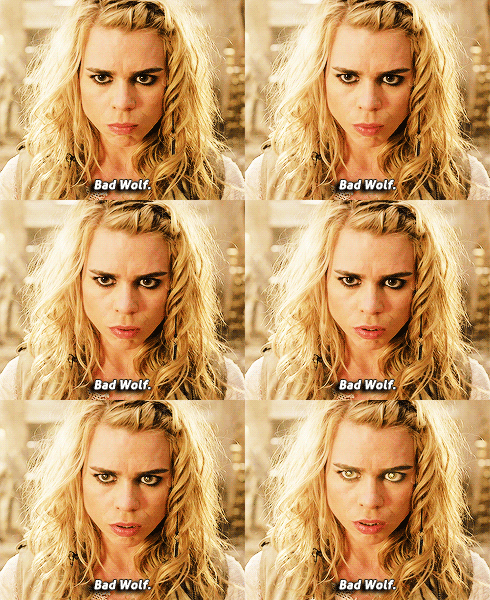
+1 No Wolf who creepily stalks and deceives Riding Hood. Instead, we have references to the Bad Wolf, a legend 'scrawled across walls and daubed on pavements in the town'.
+1 Ninth Doctor as the woodcutter, complete with shed (aka the TARDIS). Fantastic!
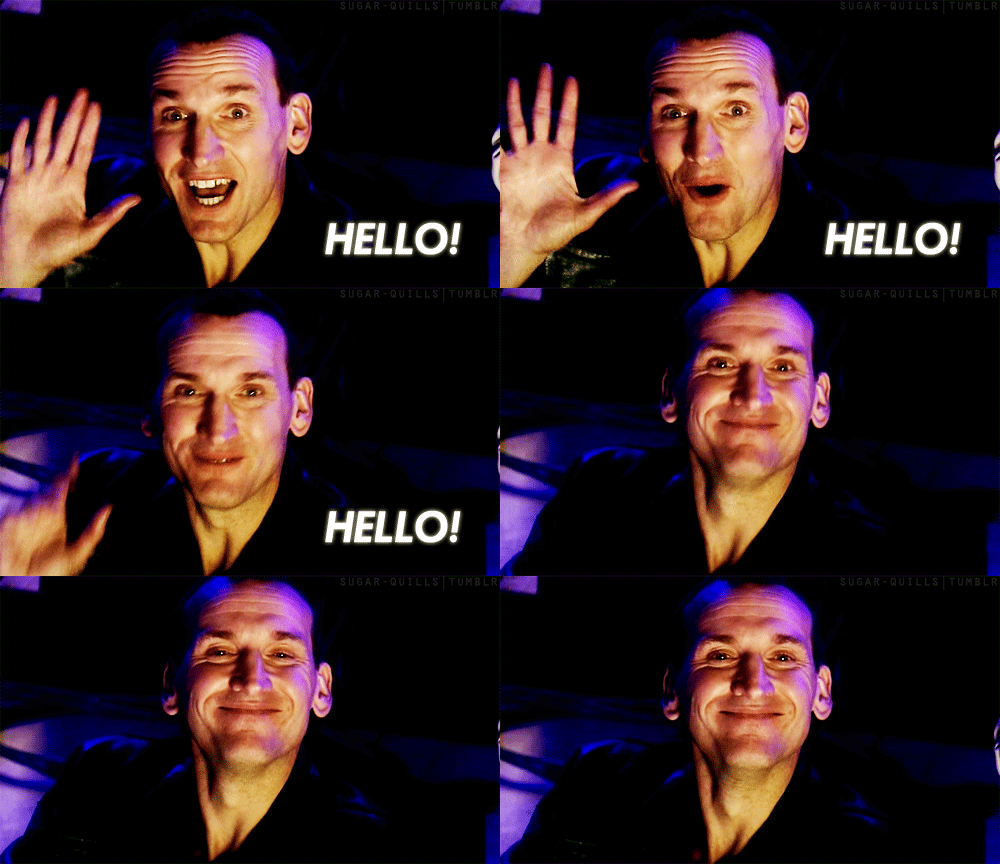
+1 Affection and female bonding between women: Rose, her mother and her grandmother.
-1 I thought the Doctor' method of dealing with the Zygon (shouldering the Zygon down the steps of the cellar, which supposedly killed it) was a bit too violent and out of character...He says 'I cut out the dead wood (...) I weed out the poisonous, strangling vines'. That's not what the Doctor does, he helps people, not kills enemies (and the Ninth Doctor, toughness aside, talks openly about appreciating life). Too much binarism.
-1 Rose and her grandmother are saved by the male, but this Riding Hood was way more proactive and less of a naïve damsel in distress. Also, it's the Doctor's 'role' to help people, so...
- Feminist infographic;
-Number of women (named): 1 - Rose Riding Hood
-Other women (unnamed): 2 - Rose's mother and grandmother
-Bechdel: Yes
-Female bonding: Yes
-Proactive female characters? Empowered traits in at least one female character?: Rose is more proactive and less naïve than the original character.
-Subversion: A more proactive Little Red Riding Hood. The idea of 'Bad Wolf' instead of the wolf.
-Problematic stereotypes or relationships?: No
9. The Gingerbread Trap: 1.5/5

+1 The (sexist) cliché of the jealous (step)mother who manipulates her husband into abandoning his children (who vie with her for the love of the man) fortunately does not appear. This tale's Hansel and Gretel (aka Markus and Everlyne) simply set out after a fallen star (spaceship) without being abandoned and without leaving any bread crumbs behind.
+1 Everlyne shows some wits-
-1 but in this version of the tale it's Markus who does most of the action (while in the original tale it was the sister)
-1 Sexist cliché of the woman who is old and thus 'ugly', evil and a 'witch' (a Krillitane in this tale, but same idea). Elderly men tend to be kindly in many tales (wisemen, wizards, etc), but older women are too often seen as 'evil' and 'ugly'.
-1 No female bonding or Bechdel
-1 Fragile masculinity: Markus doesn't want to admit that he's tired, hungry and scared when lost in the woods. He feels relieved when Everlyne mentions it and proceeds to comfort her, basking in his active, virile role and façade.
-1 I'm biased because I'm not a fan of Danny, but I did not enjoy the reading a lot either.
- Feminist infographic;
-Number of women (named): 1 - Everlyne
-Other women (unnamed): 2 - Krillitane (old woman), Markus and Everlyne's mother
-Bechdel: No
-Female bonding: No
-Proactive female characters? Empowered traits in at least one female character?: Not really.
-Subversion: Not really.
-Problematic stereotypes or relationships?: Fragile masculinity.
10. The Scruffy Piper: 4/5
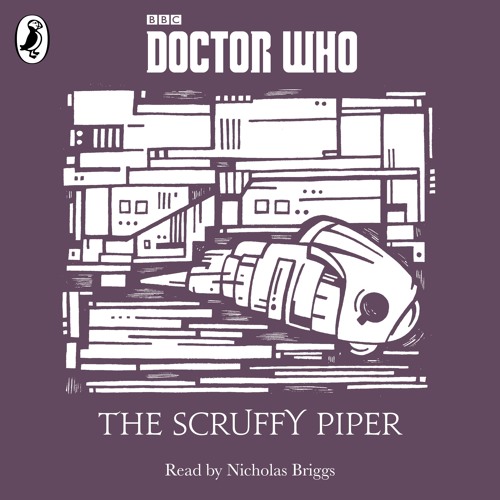
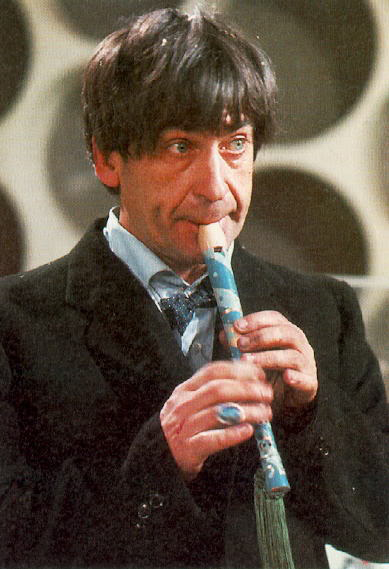
I quite enjoyed this Whovianized version of the Flautist of Hamelin with the Second Doctor (and his recorder/tin-whistle) against the cybermats.
+1 Nicholas Briggs narrating
+1 Second Doctor and his recorder
+1 Engaging
-1 No women
11. Helana and the Beast: 0/5 (or, if I have to choose anything from 1 to 5: 1/5)

As with Cinderella, here's a longish disclaimer of why I don't like this fairytale (and thus my first 1/5 rating in Goodreads): 'The Beauty and the Beast' is probably the fairytale I abhor the most alongside Cinderella and all the problematic shit in Sleeping Beauty and Snow-White.
-First of all, 'Beauty and the Beast' in all its variations (regrettably this whovianized version is not an exception) is full to the brim with double standards: The male character is allowed to be 'ugly' *and* loved, but the female character is always young and beautiful and must prove her lack of shallowness and her kindness by putting up with the Beast's very problematic behaviour and actually falling in love with him.
-It also includes the ever-present clichés of the invisible (dead) mother, the idolized father figure, and, most importantly, the daughter who would sacrifice anything (including her life and freedom) for her father, supporting the problematic idea that a woman's life and freedom goes after the one of the males around her (father, husband, etc) and that this kind of (gendered) sacrifice where the woman loses her freedom is somehow necessary and even 'empowering'.
-But the most cringeworthy and very, very problematic aspect of this kind of tale is that it glorifies and romanticizes abusive relationships and controlling behaviour, and it's pretty much an exaltation of the 'romantic' aspects of Stockolm Syndrome (she's a prisoner, for heaven's sake). That anyone, and especially a woman, view sacrifice, abusive behaviour and Stockholm as 'love' and/or 'empowering' is something beyond my comprehension. Seriously. Sue me.
-Also, the infamous and very problematic cliché of the woman who has to put up with a man's abusive and controlling behaviour because she knows there's a 'sliver of kindness deep inside', and it's somehow her job as a woman to 'make him better'.

This whovianized version has it all and it's not progressive or subversive at all.
----1: All the aspects I mentioned above
-1 Also the fact that the Beast is a whiny, egocentric, selfish individual who wants to have someone prisoner in their home just in order to have company, and because 'if he's miserable, then others must be too'. He's also shallow as hell, suddenly becoming oh-so-gentle-and-loving when he's pretty again. I personally don't think Helana's life will be so different, though. Still stuck with this dude alone in his house *shudders*
-1 And also the fact that many people actually believe that Helana/Belle is oh-so-empowered just because she likes reading and goes off on her own to search for her father. OK, but she still willingly puts up with all kinds of problematic abuse in the relationship, so...Just, sorry, I can't see anything empowering in Helana/Belle. She justifies abusive relationships, for heaven's sake. That's not empowering. The fact that someone (a woman) makes a 'choice' 'willingly' doesn't mean that choice is 'feminist'.

-1 And, of course, no female bonding or Bechdel. What a surprise! Isolation and Patriarchy are the order of the day here.
+1 The only thing I actually liked was the presence of the Twelfth Doctor, who's one of my fave Doctors. I also felt like Helana had a bit of decent, non-abusive support while the Doctor was around, and felt like she was left pretty much defenceless when he left at the end leaving her with the transformed Beast, which speaks volumes for the kind of relationship she got herself into. Helana mentions the way the Beast scares her quite a lot of times, and when she gives him the antidote and the Beast thinks he's being poisoned, she actually has to escape in terror to the library to find the Doctor because the Beast wanted to freaking hurt her. So damn romantic.
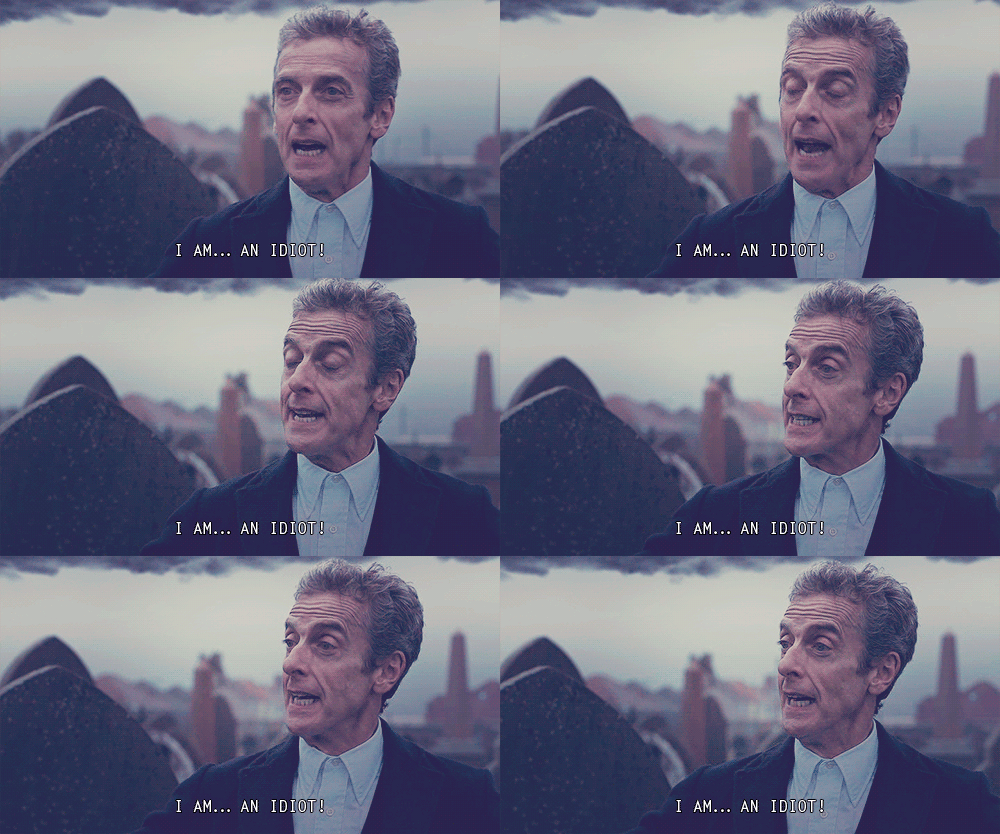 |
| ...for not helping Helana escape such an abusive relationship! |
+1 The way the Beast transforms - thanks to Twelve's potion and not because of Belle's 'teary declaration of love' when the Beast is dying (you didn't know when you were well off, girl) - is pretty much the only slightly improved thing in this tale.
- Feminist infographic;
-Number of women (named): 1 - Helana
-Other women (unnamed): Haha! No.
-Bechdel: Hahahaha! Nope.
-Female bonding: Still nope.
-Proactive female characters? Empowered traits in at least one female character?: Hahahahaahahah! More nope.
-Subversion: *Hikaru Sulu's voice*

-Problematic stereotypes or relationships?: EVERYTHING.
12. Andiba and the Four Slitheen: 4/5

+1 Proactive female protagonist, described as 'brave' and 'intelligent' (instead of just being 'beautiful': Her appearance is actually never even mentioned).
+1 Vash seems to treat Andiba in a reasonably egalitarian way, appreciating her intelligence and resourcefulness, and doesn't steal her proactivity. Reasonably realistic and healthy relationship from friends to lovers without Andiba loosing empowerment because of it (gains a job at the factory and doesn't revert to a more traditionally passive role).
+1 Andiba is treated in a reasonably egalitarian way by Vash's father as well.
+1 She's given a job as coordinator in the factory as a way to thank her for her resourcefulness
+-1 Compulsory (heteronormative) love plot, but it's pretty secondary and it's pretty much the most equal relationship in this book.
-1 No Bechdel or female bonding
-1 Potential fat shaming (Slitheen skin suits)
-1 Death of the Slitheens is treated a bit lightly. Bit of binarism.
- Feminist infographic;
-Number of women (named): 1 - Andiba
-Other women (unnamed): No
-Bechdel: No
-Female bonding: No
-Proactive female characters? Empowered traits in at least one female character?: Andiba is proactive and shows agency, wits and resourcefulness.
-Subversion: Active female protagonist who saves the day
-Problematic stereotypes or relationships?: No. Actually quite a healthy relationship, considering.
13. The Grief Collector: 3.5/5 (and a 5/5 to Michelle Gomez reading)
Tale based on Rumpelstiltskin. It has quite a lot of traditional and idealized messages revolving around marriage ('the happiest day of her life') and the 'love conquers all' cliché (as in 'we can be happy even though we're poor because we love each other' and so on) - These kind of glorified gender-roles, the systematic glorification of the marriage system and heteronormative messages are one of the reasons why I tend to dislike traditional fairytales, but I can never say no to a whovianized tale, and it's always nice to hear Michelle Gomez reading. Also enjoyed Ten's cameo :).
 |
| The problem I have with many fairytales is that Romance=Glorifying financially dependent women married with guys who are mainly interested in their looks...in the freaking 21st Century, when women's only choice isn't to marry a man in order to survive. |
Traditional messages aside (also, there isn't any female bonding and this doesn't pass the Bechdel test), I did like the fact that Melina - the female protagonist - showed quite a bit of agency, has a reasonably proactive role and ended up saving Varan, the male protagonist (who doesn't even have any lines in the tale). And she did most of the work, too, because the (Tenth) Doctor just gave her info and encouragement (and made her tea xD).
- Feminist infographic;
-Number of women (named): 1 - Melina
-Other women (unnamed): Village women
-Bechdel: No
-Female bonding: No
-Proactive female characters? Empowered traits in at least one female character?: Melina shows agency and saves the male character.
-Subversion: Woman saving the man
-Problematic stereotypes or relationships?: Glorification of the marriage system in a traditional village. The idea that being poor is unimportant when a couple can be together.
14. The Three Brothers Gruff: 2/5
+1 Paul McGann (aka the Eight Doctor) reading.
+1 Siblings (in this case, brothers) not being competitive and helping each other.
-1 Some hypermasculinity ('bravery'='taking great risks to bring glory and honour', and the like). However, Naze fights the Sontarans' hypermasculinity with his wits in a subversive way.
-1 The brothers 'laughing and joking' about the Sontaran's death. He did imprison and torture them, but not a fan of 'chuckling' about anyone's death.
-1 No women
15. Sirgwain and the Green Knight: 2.5/5

+1 Whovianized version of Sir Gawain and the Green Knight featuring an Ice Warrior
+1 Plot was reasonably engaging
-1 Male-dominated society with a lot of hypermasculinity values (bravery, strength, 'honour')
-1 Monarchy
-1 No women